
Guide
Left 4 Dead 2 Finales: The Last Stand of Every Campaign
How finales work in Left 4 Dead 2 and how to beat them: choosing a holdout position, pacing throwables, Tank timing and the final run to the rescue vehicle.
 By Gavin Mercer, Android Gaming Reviewer
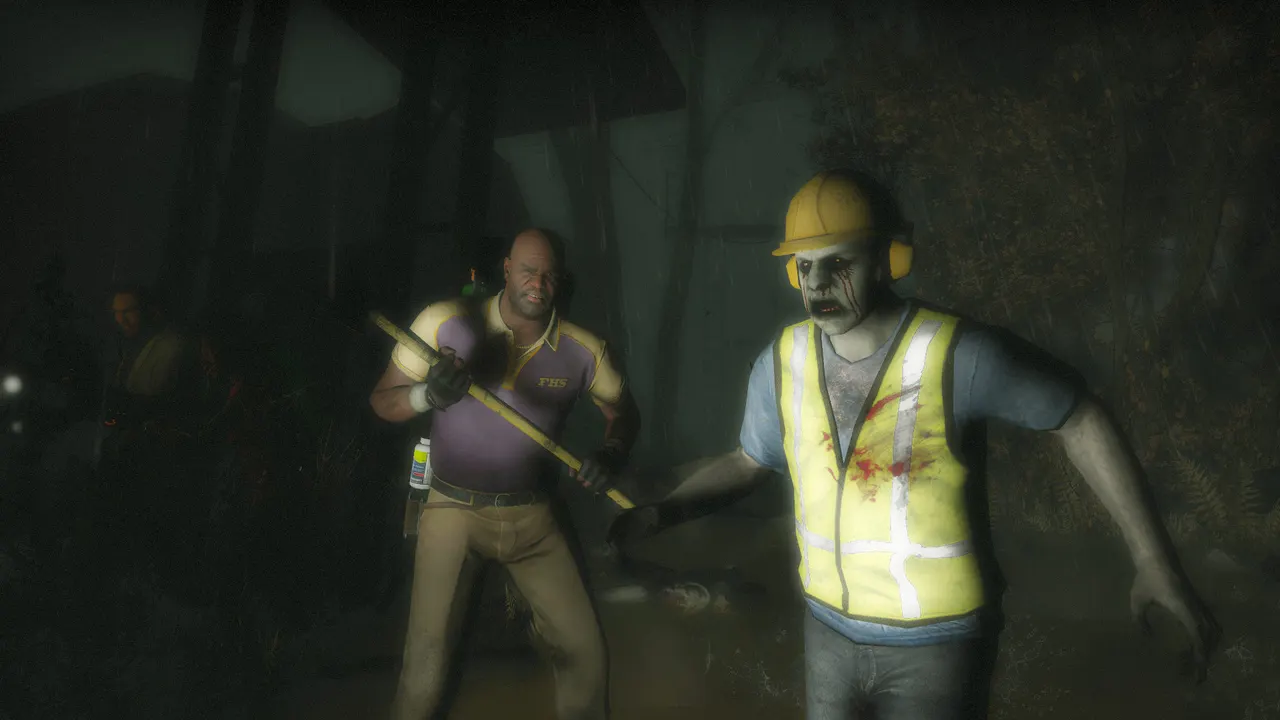
Every campaign in Left 4 Dead 2 ends with an exam. The finale gathers everything the chapters taught, waves, specials, Tanks and one escape, and it administers them all at once in a single arena while a radio counts down your rescue. Teams do not usually lose campaigns in the middle. They lose them here, in the last five minutes, to a position they never chose and a panic they never planned for.
This guide breaks the finale into its three acts: the holdout, the Tank, and the run, with the strategy each act rewards.
Choosing the Holdout
The holdout position is the most important decision of the campaign, and it is made before the event starts. The right ground has three properties: limited entry points the team can watch without turning around, room to sidestep a Charger and kite a Tank, and supplies within reach rather than across the arena. The campaigns guide names the classic ground in each finale, from the Dark Carnival stage to the Parish bridge.
Scavenge finales rewrite the rule: when the objective is fuel cans spread across the map, the holdout is a route, not a room, and the team splits into collectors and escorts with a meeting rhythm. Either way, the principle survives: the team that chooses its ground beats the team that discovers it.
Pacing the Holdout
A finale's waves arrive in swells, and throwables are how you flatten them. Pipe bombs and bile jars are not emergency buttons; they are scheduling tools, spent at the swell rather than after it, so the team reloads, heals and repositions in the quiet the throwable bought. The Left 4 Dead 2 game guide keeps the item economy with the campaign record for exactly this reason: finales are where the whole game's resource lessons come due.
Call your specials out loud and kill them in priority order, pullers and spitters before chargers, chargers before the horde. Between swells, nobody wanders: the player who leaves the position for ammunition during a quiet ten seconds is the player the next Smoker was already watching.
The Tank and the Run
The finale Tank arrives on a schedule you can feel: after the second swell, with the rescue announced or approaching. Fight him in the open part of your ground, set him alight early, and keep the team's fire on him from four angles so his attention has nowhere true to settle. Never fight the finale Tank in the room you are holding; he is a wrecking ball and the room is made of your plans.
Then comes the run. When the vehicle arrives, the campaign stops being a siege and becomes a race, and everything saved is for this: one throwable for the path, adrenaline for the legs, and a rear guard who understands their job is the other three names on the scoreboard. The AI Director explainer covers why the game throws its worst at this exact moment; the short version is that it knows what a finale is for.
Field Notes: The Five Finales Compared
Dead Center's atrium rewards vertical control and fuel discipline. Dark Carnival's concert stage is the classic holdout: one stage, one gate, unlimited sightlines. Swamp Fever's plantation house punishes teams that hold indoors. Hard Rain's burger joint finale is a holdout inside a storm that steals sound and sight. The Parish bridge is a gauntlet wearing a finale's clothes: the holdout moves, and the run is the whole event.
Across all five, the losing pattern is identical: unchosen ground, throwables spent in panic, a Tank fought in a corridor, and a run that starts with the team already scattered. The winning pattern is just its opposite, repeated five times.
The Short Version
Finales are three acts: a holdout on ground you chose before the event, paced with throwables spent at the swell; a Tank fought in the open, on fire, from four angles; and a final run where everything saved all campaign gets spent in fifty metres. Choose the ground, schedule the chaos, save legs for the escape.
If you take one habit from this guide, make it this: walk the finale arena before you trigger it. The team that has already stood on its ground fights like it owns the place, because by then it does.
Quick Answers
What is the best holdout spot in a finale?
Ground with few entry points, space to sidestep and kite, and supplies in reach. The classic answers are the Dark Carnival stage, the Parish bridge head and Dead Center's upper atrium.
When should I use throwables in a finale?
At the swell, not after it. A pipe bomb or bile jar spent as the wave peaks buys the quiet seconds the team needs to reload, heal and reposition.
How do I beat the finale Tank?
Fight him in open ground, set him on fire early, and spread the team's fire across four angles so he cannot settle on one survivor. Never fight him inside your holdout room.
What should I save for the final run?
One throwable for the path and adrenaline for the legs. The run to the rescue vehicle is where saved resources convert directly into survivors.